You've Been Told Cash Is King in an Emergency — Financial Planners Say Otherwise
Ask most Americans about emergency preparedness, and you'll hear some version of the same advice: "Keep cash on hand. You never know when ATMs might go down or credit cards might stop working."
It sounds reasonable. Almost obvious. After all, cash works when nothing else does, right?
Turns out, modern financial planning has moved far beyond this conventional wisdom — and for good reasons that most people never consider.
The Cash Hoarding Habit America Can't Shake
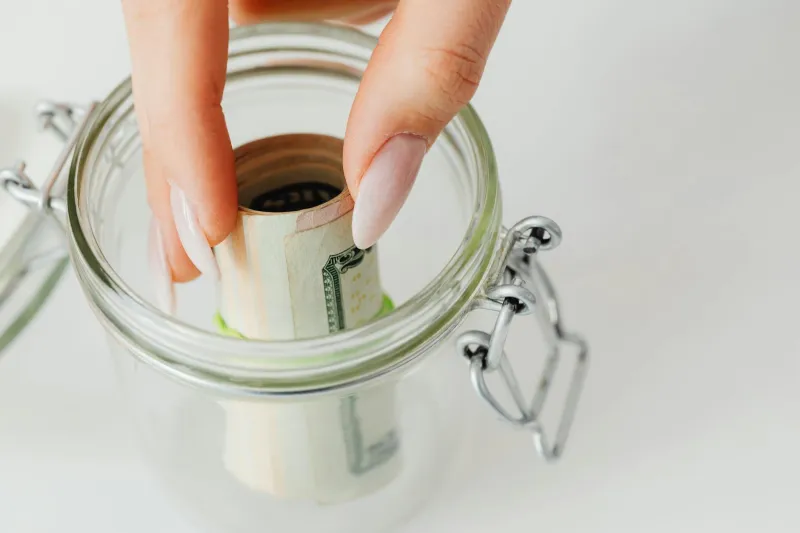
The advice to stockpile physical cash runs deep in American culture. It survived the Great Depression, multiple recessions, Y2K fears, and every natural disaster in between. Your grandparents probably kept a coffee can of bills hidden somewhere "just in case."
Today, financial surveys show that roughly 40% of Americans keep significant amounts of cash at home — often $500 to $2,000 or more. The reasoning always sounds the same: when everything else fails, cash still works.
But financial planners have been quietly steering clients away from this approach for years. Not because cash is useless, but because the risks of hoarding it often outweigh the benefits.
What Financial Professionals Actually Recommend
Speak to certified financial planners today, and you'll hear a different tune. Most recommend keeping minimal cash at home — maybe $100 to $300 for genuine emergencies — while building liquid savings elsewhere.
"I tell clients to think about what they actually need cash for in a real emergency," says Maria Rodriguez, a CFP in Austin. "Usually it's gas, food, or temporary shelter. You don't need $2,000 in twenties for that."
Instead, the modern emergency strategy focuses on:
Multiple account access: Checking and savings accounts at different banks, with different access methods (debit cards, online banking, phone banking).
Credit availability: Unused credit card limits that can cover immediate expenses while you sort out account access.
Liquid investments: Money market accounts or short-term CDs that can be accessed quickly but earn some return.
Digital payment backups: Multiple payment apps linked to different funding sources.
The Hidden Costs of Cash Hoarding
The "cash is king" advice ignores several expensive realities:
Inflation erosion: That $1,000 you stuffed in a drawer five years ago has lost about 20% of its purchasing power. Cash doesn't just sit there — it slowly shrinks.
Opportunity cost: Money earning 0% at home could be earning 4-5% in a high-yield savings account. On $2,000, that's $80-100 per year you're giving up.
Theft and loss risk: Home break-ins, fires, floods, or simply forgetting where you hid money can wipe out your emergency fund instantly. Most homeowner's insurance has strict limits on cash coverage.
Spending temptation: Cash at home has a way of getting spent on non-emergencies. It's much easier to dip into a coffee can than transfer money from savings.
When the Old Advice Made Sense
The "cash is king" philosophy wasn't always wrong. It made perfect sense in an era of:
- Limited bank branch hours
- No ATM networks
- No electronic payment systems
- Less reliable banking infrastructure
- Higher risk of bank failures
During the 1970s and 1980s, keeping substantial cash at home was genuinely practical. If your bank closed for the weekend and you needed money, tough luck.
But that world doesn't exist anymore.
The Modern Reality of Emergency Access
Today's financial infrastructure is far more resilient than most people realize:
ATM networks: There are roughly 470,000 ATMs in the United States. Even during Hurricane Sandy, most ATMs outside the immediate disaster zone remained operational.
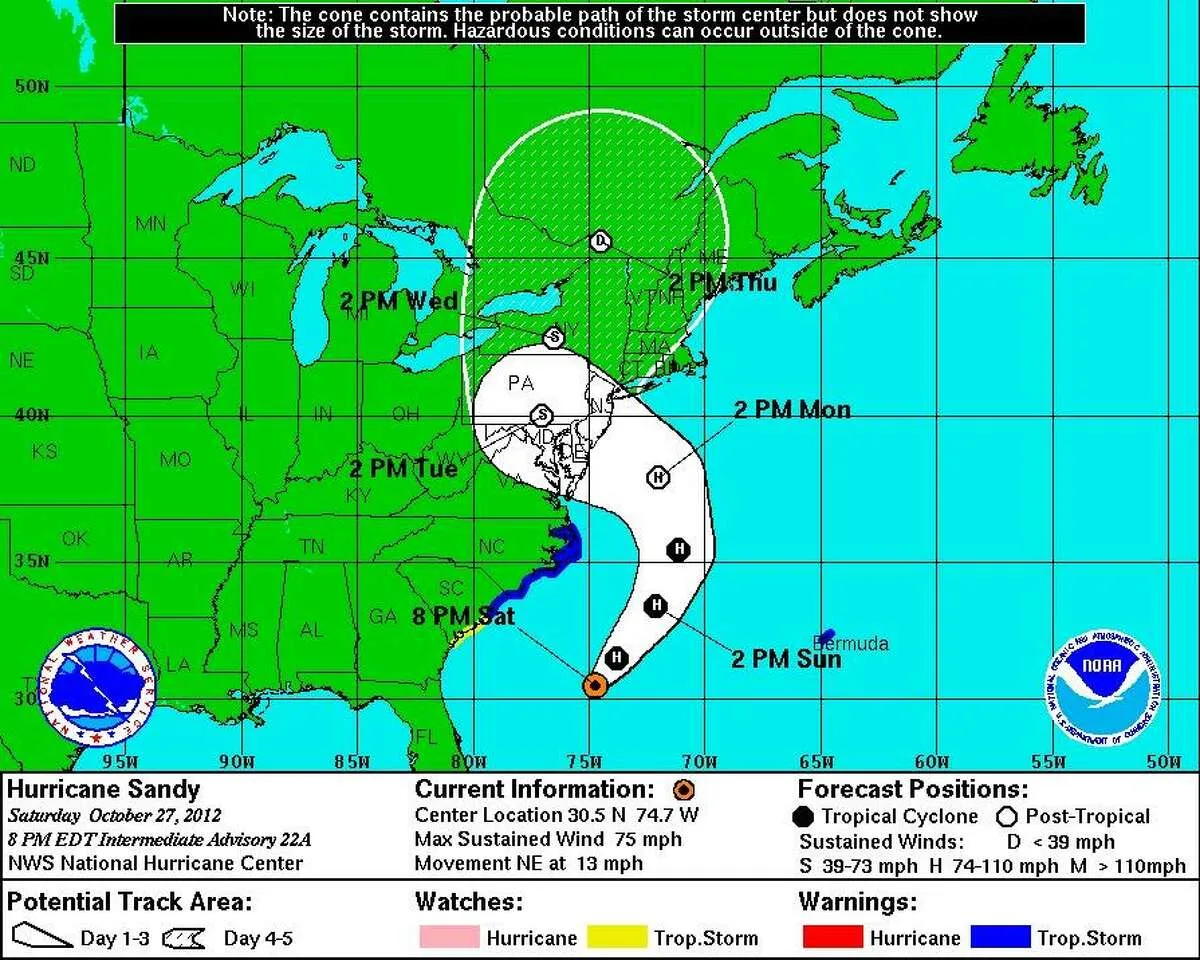 Photo: Hurricane Sandy, via s.hdnux.com
Multiple payment systems: Credit cards, debit cards, digital wallets, and peer-to-peer payment apps give you numerous ways to access money.
24/7 banking: Online and phone banking mean you can move money between accounts anytime, anywhere.
FDIC protection: Bank deposits up to $250,000 are federally insured, making bank failures a non-issue for most people.
What About Real Disasters?
Critics of the new approach often point to natural disasters or widespread power outages. "What if everything electronic stops working?"
It's a fair question, but the answer might surprise you. Even during major disasters:
- Most businesses that remain open can process credit cards via mobile networks
- Emergency shelters and aid organizations don't typically require cash payment
- The biggest needs (rescue, medical care, temporary shelter) usually don't involve money at all
- Recovery efforts focus on restoring electronic payment systems quickly
During Hurricane Katrina, for example, many evacuees found that their biggest challenge wasn't lack of cash — it was lack of identification to access their accounts.
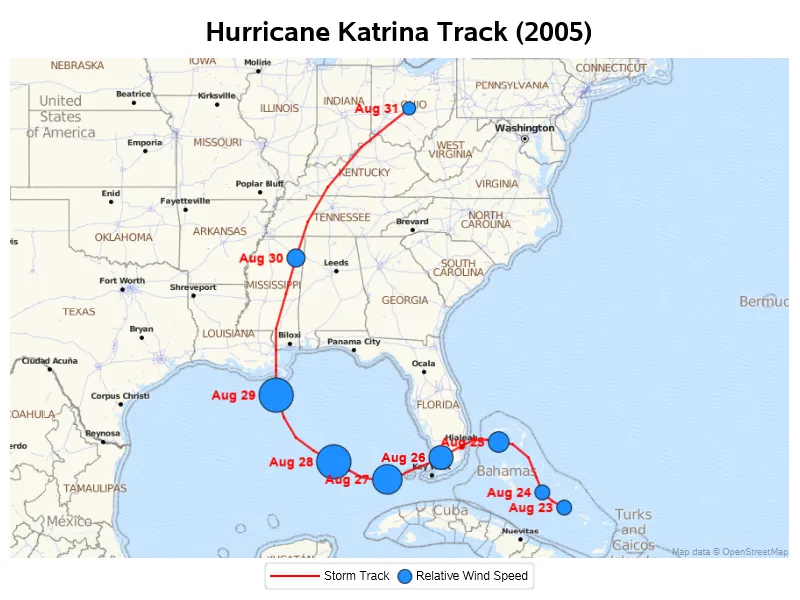 Photo: Hurricane Katrina, via robslink.com
A Smarter Emergency Money Strategy
Instead of stuffing bills in a mattress, financial planners recommend a tiered approach:
Tier 1: $100-300 in small bills at home for immediate needs Tier 2: 1-2 months of expenses in a high-yield savings account for quick access Tier 3: 3-6 months of expenses in slightly less liquid but higher-earning accounts Tier 4: Unused credit card capacity as a final backup
The Psychology Behind Cash Hoarding
Why does the old advice persist despite its drawbacks? Partly because cash feels more real and secure than digital numbers on a screen. There's psychological comfort in knowing you can physically touch your emergency fund.
But that comfort comes with real costs that compound over time. The $2,000 many people keep at home could grow to nearly $2,500 in five years if invested in even conservative options.
The Bottom Line
Cash isn't worthless in emergencies — it's just not the king it used to be. Modern financial planning recognizes that keeping large amounts of physical cash at home creates more problems than it solves.
The goal isn't to eliminate cash entirely, but to right-size it. A small amount for immediate needs, combined with multiple digital access methods and higher-earning liquid savings, provides better emergency protection than a shoebox full of twenties.
Your grandparents' advice made sense in their world. In today's world, it's quietly costing you money every single day.