Sports Drink Companies Convinced You That Thirst Means You're Already Dehydrated
Sports Drink Companies Convinced You That Thirst Means You're Already Dehydrated
Walk into any gym in America and you'll hear the same hydration advice: drink before you're thirsty. Thirst, according to fitness culture, means you're already dangerously dehydrated. This wisdom appears in training manuals, gets repeated by coaches, and drives a multi-billion-dollar sports drink industry.
Here's what's interesting: that advice didn't come from independent medical research. It came from studies funded by companies that sell beverages.
The Birth of Preemptive Drinking
The idea that thirst indicates dangerous dehydration gained traction in the 1960s and 70s, right around the time sports drinks were being developed and marketed. Gatorade, created at the University of Florida in 1965, needed to establish that athletes required more than water during exercise.
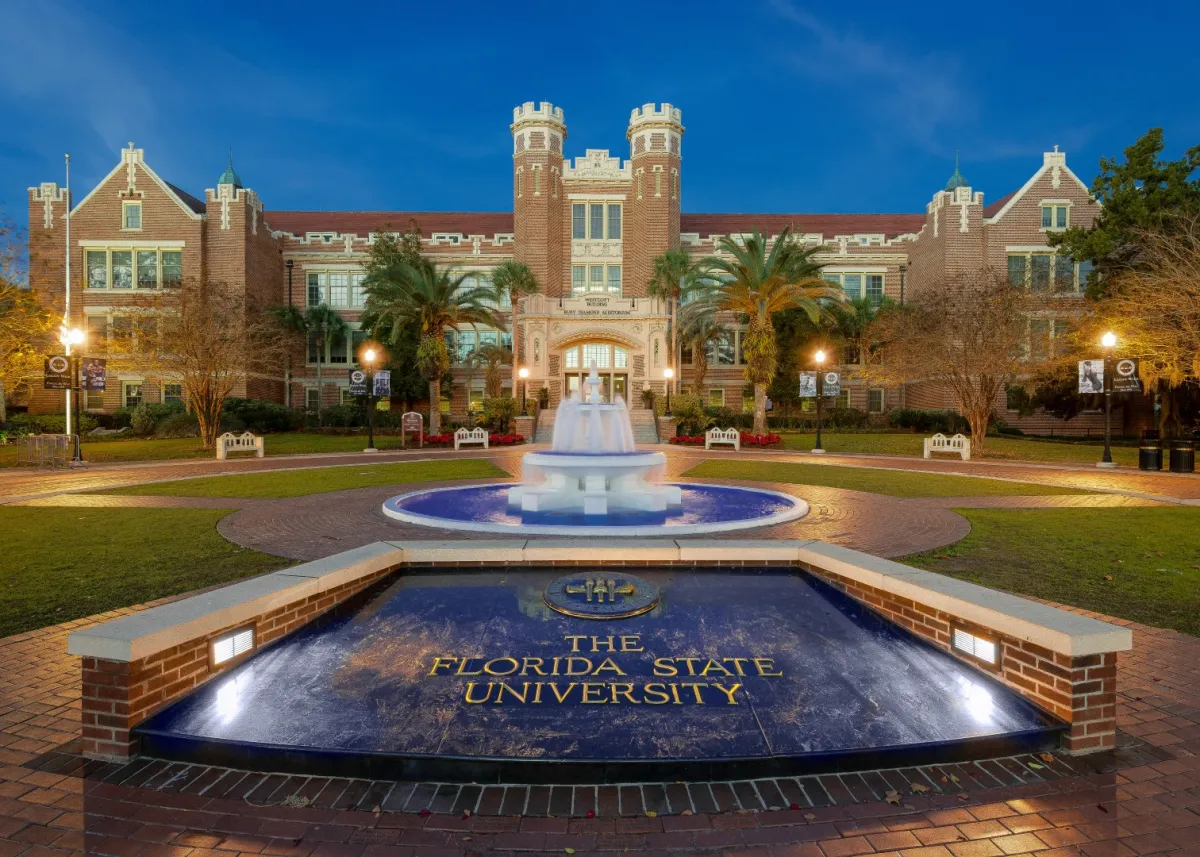 Photo: University of Florida, via saintpetersblog.com
Early Gatorade-funded research suggested that by the time you feel thirsty, you've already lost enough fluid to impair performance. The solution? Drink regularly, whether you're thirsty or not. Preferably something with electrolytes and carbohydrates — exactly what sports drinks provide.
This message was amplified by the American College of Sports Medicine, whose hydration guidelines for decades recommended drinking "as much as tolerable" during exercise to prevent any fluid loss. The organization received significant funding from beverage companies during this period.
What Independent Research Actually Shows
When scientists without beverage industry funding studied hydration, they found something different. Your thirst mechanism is actually sophisticated and reliable. It evolved over millions of years to prevent both dehydration and overhydration — two conditions that can be equally dangerous.
Dr. Timothy Noakes, a sports medicine researcher at the University of Cape Town, spent decades studying exercise hydration. His research showed that mild dehydration — the kind that triggers thirst — doesn't impair performance in most people. In fact, elite athletes often finish races slightly dehydrated without any negative effects.
 Photo: University of Cape Town, via s-media-cache-ak0.pinimg.com
The body can safely lose 2-3% of its fluid content before performance suffers meaningfully. Thirst typically kicks in around 1-2% fluid loss, giving you plenty of time to rehydrate before reaching any danger zone.
The Overhydration Problem
While beverage companies were convincing people to drink preemptively, a new problem emerged: exercise-associated hyponatremia, or water intoxication. This happens when people drink so much that their blood sodium levels drop dangerously low.
Hyponatremia can cause confusion, seizures, and even death. It became increasingly common at endurance events where participants followed advice to "drink as much as possible." Ironically, the condition that was supposed to prevent dehydration was creating a different but equally serious problem.
Marathon medical tents began seeing more cases of overhydration than dehydration. The Boston Marathon, New York City Marathon, and other major races had to revise their hydration recommendations, telling runners to drink when thirsty rather than on a predetermined schedule.
 Photo: Boston Marathon, via www.maraton.info
How Marketing Became Medical Advice
The transformation of marketing messages into accepted medical wisdom happened gradually. Sports drink companies sponsored research, funded medical conferences, and provided educational materials to coaches and trainers. The message that "thirst equals dehydration" became so embedded in fitness culture that questioning it seemed irresponsible.
Beverage companies also expanded their market beyond serious athletes. If elite runners needed constant hydration, surely weekend warriors, yoga practitioners, and office workers did too. The target market for sports drinks grew from professional athletes to anyone who broke a sweat.
This marketing evolution explains why you'll find sports drinks in elementary school vending machines and why some people reach for Gatorade after walking the dog. The industry successfully convinced consumers that any physical activity requires specialized hydration.
The Real Science of Thirst
Your body's thirst mechanism involves complex interactions between your brain, kidneys, and cardiovascular system. When your blood becomes slightly concentrated, specialized cells in your hypothalamus trigger thirst. This happens well before dehydration becomes dangerous.
Thirst also responds to factors beyond simple fluid loss. Hot weather, salty foods, and certain medications can trigger thirst even when you're adequately hydrated. Your body is essentially running a sophisticated chemistry lab to maintain proper fluid balance.
For most people, drinking when thirsty and eating a normal diet provides adequate hydration. You don't need to force fluids or follow predetermined drinking schedules unless you're exercising intensely for more than an hour in extreme heat.
When Sports Drinks Actually Help
This doesn't mean sports drinks are useless. They can be beneficial for endurance athletes exercising intensely for more than 60-90 minutes, especially in hot conditions. The combination of carbohydrates and electrolytes can help maintain performance during long training sessions or competitions.
But for typical gym workouts, recreational sports, or daily activities, water works fine. Your kidneys are remarkably good at maintaining electrolyte balance, and normal meals replace what you lose through moderate sweating.
The Financial Impact
The "drink before you're thirsty" message has financial implications beyond sports drink sales. Americans spend billions annually on bottled water, electrolyte supplements, and hydration tracking devices, much of it driven by anxiety about dehydration that may be largely unnecessary.
This spending reflects a broader pattern where marketing messages create perceived needs that didn't exist before. The hydration industry profits from convincing people that their natural thirst mechanism is unreliable.
What This Means for You
Trust your thirst. Unless you're an endurance athlete or exercising in extreme conditions, your body's natural signals are more reliable than predetermined drinking schedules. Drink when you're thirsty, stop when you're not.
If your urine is pale yellow, you're probably adequately hydrated. Dark yellow suggests you need more fluids, while completely clear urine might indicate you're drinking more than necessary.
Pay attention to your individual needs rather than following generic hydration advice. Some people naturally need more fluids than others, and factors like medications, climate, and activity level all influence hydration requirements.
The Takeaway
The idea that thirst indicates dangerous dehydration is one of the most successful marketing messages in sports nutrition history. It transformed a natural, reliable biological signal into a source of anxiety and created a market for products most people don't need.
Your thirst mechanism evolved long before sports drinks existed, and it's still the most accurate guide to your hydration needs. Sometimes the simplest approach — drinking when you're thirsty — is also the most scientifically sound.