The Math You've Been Doing Wrong
Pull out your phone at the end of any restaurant meal in America, and you'll probably do the same calculation millions of other diners do: take the total bill, taxes included, and multiply by 18% or 20%. It feels natural, automatic, obviously correct.
Except you've been tipping on the wrong number this whole time.
The traditional standard — the one that still makes logical sense — is to calculate your tip based on the pre-tax subtotal. That means if your meal costs $50 and the tax adds another $4, you should be tipping on the $50, not the $54.
Why Tips Were Never Supposed to Include Taxes
A tip is meant to reward service. It's your way of paying the server directly for bringing your food, refilling your drinks, and making sure your dining experience goes smoothly.
Taxes, on the other hand, go to the government. They fund roads, schools, and public services. Your server didn't provide those services, and they don't see a penny of that tax revenue.
So why would you calculate a service tip based on a number that includes government fees? It's like tipping your hairstylist based on the cost of your haircut plus the parking meter fee you paid outside.
How Post-Tax Tipping Became the Quiet Standard
The shift toward post-tax tipping happened gradually, without any official announcement or industry-wide decision. Several factors contributed:
Digital payment systems made it easier to just hit "20%" on the total amount displayed, rather than doing mental math on the subtotal.
Rising tip expectations meant that many diners started looking for ways to tip more generously, and including taxes was a simple way to bump up the amount.
Credit card receipts often display the total prominently while burying the subtotal in smaller text, making post-tax calculations more convenient.
Most importantly, nobody wanted to look cheap. In American dining culture, undertipping carries serious social stigma. When there was uncertainty about the "right" way to calculate tips, people erred on the side of generosity.
The Hidden Cost of This Shift
The difference might seem small, but it adds up. In states with high sales tax — like California (10%+) or New York (8%+) — tipping on the post-tax total means you're paying an extra 1-2% on every restaurant bill.
For someone who eats out regularly, that's real money. If you spend $2,000 a year on restaurant meals in a high-tax state, switching from post-tax to pre-tax tipping could save you $30-40 annually.
More importantly, it's money you're spending for no clear reason. That extra 1-2% isn't going to your server — it's going toward tipping on taxes that your server never provided.
How Digital Tip Screens Made It Worse
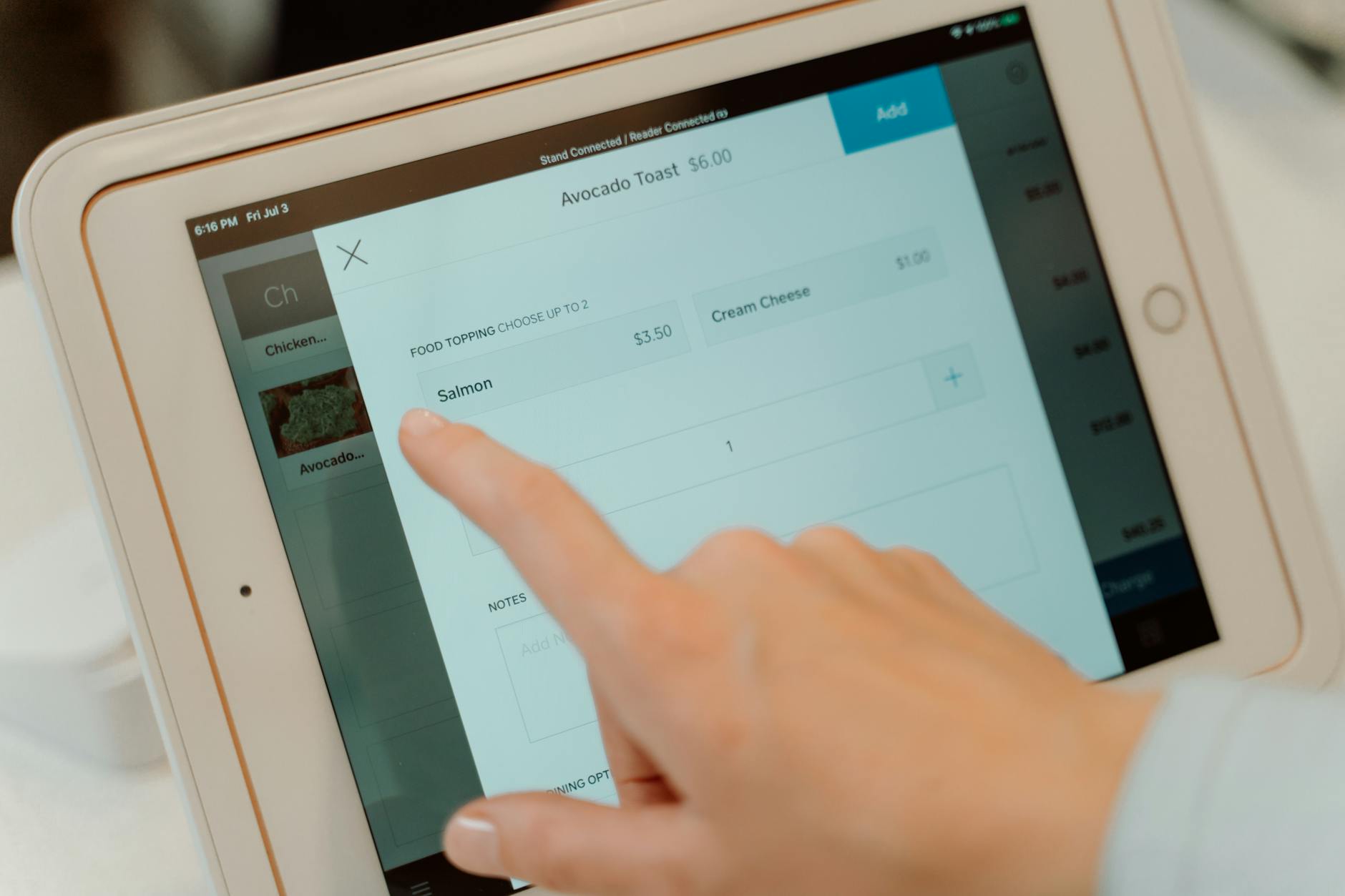
The rise of tablet-based payment systems has made post-tax tipping even more automatic. When you're checking out at a casual restaurant and the screen flips around asking for a tip percentage, it's almost always calculating on the post-tax total.
These systems are designed for speed and simplicity, not historical accuracy. The software developers probably never considered whether tips should be calculated pre-tax or post-tax — they just programmed the system to use the final bill amount.
The result is that millions of Americans now tip post-tax without even realizing they're doing it, simply because that's what the screen assumes they want to do.
What Servers Actually Expect
Here's where it gets complicated: many servers today expect post-tax tips because that's what they've been receiving for years. The industry has quietly adjusted to the new normal.
But here's the thing — most servers don't actually know which method you're using. They see the final tip amount, not your calculation method. A 20% tip on the pre-tax amount often ends up being roughly the same as an 18% tip on the post-tax total.
The Simple Fix
Switching back to pre-tax tipping doesn't mean undertipping. It just means being more intentional about your calculations.
Instead of automatically hitting "20%" on the tablet, look for the subtotal on your receipt and calculate from there. Most restaurant receipts clearly separate the food/drink charges from taxes.
If you're using a smartphone to calculate tips, make sure you're entering the pre-tax amount. Many tip calculator apps default to including taxes unless you specify otherwise.
Why This Actually Matters
This isn't about being cheap or finding ways to tip less. It's about understanding what you're paying for and why.
When you tip on taxes, you're essentially paying a premium for no additional service. You're letting a historical accident — the gradual shift toward post-tax calculations — cost you money for no clear benefit.
The original logic still makes sense: tip your server for the service they provided, not for the government fees that got added to your bill. Your server earned a percentage of the meal cost, not a percentage of the meal cost plus local tax policy.
Once you start thinking about it this way, post-tax tipping starts to feel as illogical as it actually is.