July 4th Wasn't When the Declaration of Independence Was Signed — John Adams Thought We'd Celebrate July 2nd Instead
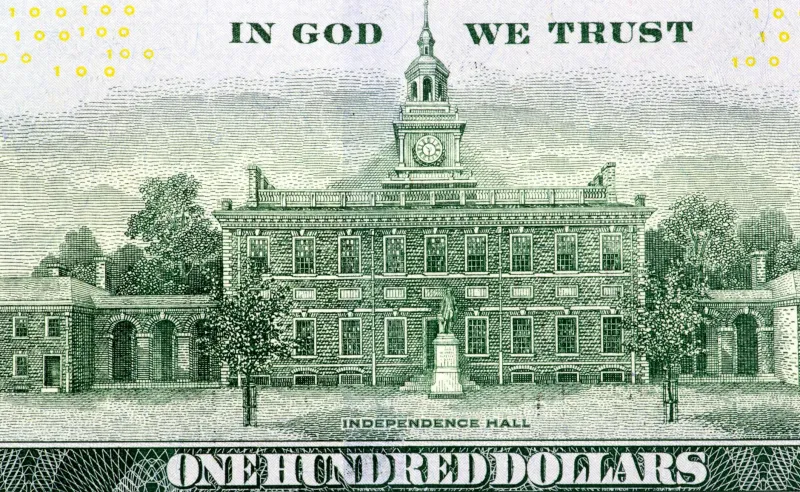
Every July 4th, Americans celebrate the day the Founding Fathers gathered in Philadelphia to sign the Declaration of Independence, creating the United States with a flourish of quill pens and patriotic speeches.
 Photo: Declaration of Independence, via www.motortrend.com
 Photo: Declaration of Independence, via i2.wp.com
Except that's not what happened on July 4th, 1776. Or any other day, really.
The story Americans tell themselves about Independence Day is a beautiful myth that bears little resemblance to the messy, complicated reality of how the United States actually declared independence from Britain.
What Actually Happened on July 2nd and 4th
Here's what really went down in Philadelphia that summer:
On July 2, 1776, the Continental Congress voted to approve independence from Britain. This was the actual decision — the moment the colonies committed to breaking away from the British Empire.
John Adams was so convinced of July 2nd's importance that he wrote to his wife Abigail: "The second day of July, 1776, will be the most memorable epoch in the history of America. I am apt to believe that it will be celebrated by succeeding generations as the great anniversary festival."
Adams was wrong about which date would stick, but he was right about everything else.
On July 4th, Congress approved the final wording of the Declaration of Independence — essentially the press release announcing the decision they'd made two days earlier. This was important, but it wasn't the moment of independence.
And the signing? That mostly happened on August 2nd, when a formal copy on parchment was ready for signatures.
The Signing That Never Happened
The image most Americans have of the signing comes from John Trumbull's famous painting "Declaration of Independence," which shows dozens of Founders gathered in a room, witnessing John Hancock's dramatic signature.
It's a beautiful painting and a complete fiction.
Trumbull painted it decades after the fact, and he took enormous artistic liberties. The painting shows 47 people in the room, but several of them weren't even in Philadelphia in July 1776. Some hadn't been elected to Congress yet. Others had left by the time the actual signing happened.
The painting depicts a single moment of collective signing that never occurred. Instead, delegates signed the document at different times over several months as they arrived in Philadelphia or returned from other duties.
John Hancock did sign on July 4th, along with Charles Thomson, the secretary of Congress. But Hancock's famous large signature wasn't a bold declaration that "King George can read that without his spectacles" — it was just how he always signed his name.
How July 4th Won the Holiday War
So why do we celebrate July 4th instead of July 2nd, when the actual independence decision was made?
Partly because the Declaration of Independence became the important document, not the congressional resolution from July 2nd. The Declaration explained why the colonies were breaking away and laid out principles that would shape the new nation. It was the document people read, copied, and remembered.
The July 4th date was right there at the top of every copy of the Declaration, while the July 2nd vote was just a line in congressional records that most people never saw.
Timing also mattered. The first public celebrations of independence happened on July 8th, when the Declaration was first read aloud in Philadelphia. By then, July 4th was already being treated as the important date because that's what was printed on the document everyone was talking about.
The Mythology Takes Hold
The romanticized version of July 4th served important purposes as the new nation developed its identity.
Americans wanted a founding story that felt momentous and unified. The messy reality — that independence was declared through a series of votes and committee meetings spread across several months — didn't inspire the same patriotic feelings as the image of brave founders risking everything in a single dramatic moment.
The Trumbull painting, commissioned for the Capitol rotunda in 1817, helped cement the mythological version in the public imagination. Generations of Americans grew up seeing this depiction of the signing and assuming it was historically accurate.
Textbooks and popular histories repeated the simplified version because it was easier to teach and remember than the complicated truth about congressional procedures and document preparation.
Why the Myth Matters More Than the Facts
By the time historians had sorted out what actually happened in Philadelphia in 1776, the July 4th mythology was too embedded in American culture to change.
And maybe that's okay. The function of Independence Day isn't really to commemorate the precise moment of a congressional vote or the logistics of document signing. It's to celebrate the idea of American independence and the principles outlined in the Declaration.
The Declaration of Independence was finalized on July 4th, and that document — more than any vote or signature — defined what American independence would mean. In that sense, July 4th is the right day to celebrate, even if the specific story we tell about it isn't quite accurate.
John Adams Gets the Last Laugh
Ironically, John Adams — who predicted July 2nd would be the great anniversary — ended up dying on July 4th, 1826, exactly 50 years after the Declaration was approved. Thomas Jefferson died the same day.
Their deaths on the 50th anniversary of July 4th seemed like such a remarkable coincidence that it reinforced the mythology around that date. Surely it was providence that these two founders died on the anniversary of independence.
Except Adams reportedly said on his deathbed, "Thomas Jefferson survives," not knowing that Jefferson had died earlier that same day. Even in death, the founders were writing a more dramatic story than the messy reality.
The Real Lesson
The gap between the July 4th story and July 4th reality isn't really about the founders or the Declaration of Independence. It's about how nations create the stories they need to hold themselves together.
Every country has founding myths that simplify complicated historical events into memorable narratives. The American version just happens to involve a specific date, a famous painting, and a document that became more important than the political process that created it.
The real story of American independence is messier, more bureaucratic, and spread across more time than the mythology suggests. But it's also more human — full of the kind of delays, disagreements, and practical concerns that anyone who's ever worked on a group project would recognize.
So celebrate July 4th, enjoy the fireworks, and appreciate the Declaration of Independence for the remarkable document it is. Just remember that the story behind the holiday is more complicated — and more interesting — than the version we learned in school.