Americans Drive on the Right Because of Napoleon and Stubborn Colonists — Not Traffic Engineering
The Assumption Everyone Makes
Ask most Americans why we drive on the right side of the road, and you'll get answers about safety, visibility, or traffic efficiency. Some people vaguely recall something about right-handed drivers having better control. Others assume it was a deliberate engineering decision made by transportation experts who studied accident rates and traffic flow.
All of these explanations sound perfectly reasonable. They're also completely wrong.
The Real Story Started With Freight Wagons
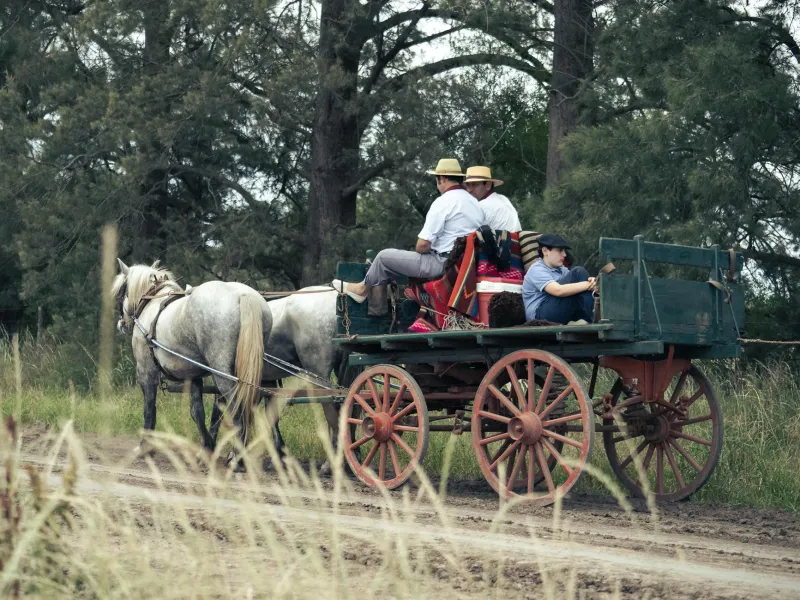
Before cars existed, America's roads were dominated by freight wagons pulled by teams of horses or oxen. These weren't the covered wagons from Western movies — they were massive cargo haulers that could stretch 60 feet long and carry several tons of goods.
Here's the crucial detail: wagon drivers didn't sit on their vehicles. They walked alongside their teams or rode one of the horses. When they rode, they typically mounted the left rear horse so their right hand stayed free to crack a whip over the entire team.
From this position, drivers could see oncoming traffic much better if they kept to the right side of the road. It wasn't a government mandate or a safety regulation — it was just practical for people trying to avoid head-on collisions with other massive wagons.
Napoleon's Army Marched Right
Meanwhile, across the Atlantic, European road rules were getting a military makeover. Napoleon Bonaparte decided his armies would march on the right side of roads, and wherever French forces conquered territory, right-hand traffic became the law.
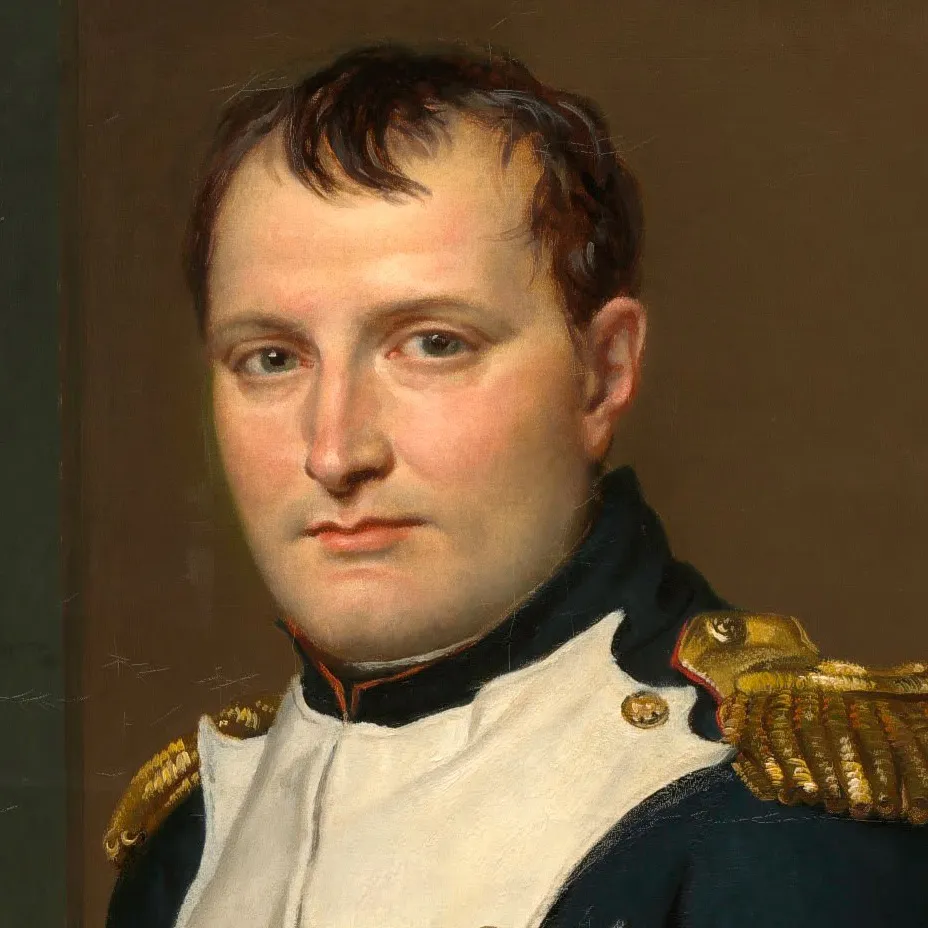 Photo: Napoleon Bonaparte, via upload.wikimedia.org
This wasn't about wagon drivers or practical transportation. Napoleon reportedly chose right-hand traffic because most of his soldiers were right-handed, and marching on the right kept their sword arms toward the center of the road — ready to defend against oncoming enemies.
As Napoleon's empire expanded across Europe, right-hand traffic spread to dozens of countries. Even after his defeat, many of these nations kept the system because changing back would have been expensive and chaotic.
Britain Stayed Left Out of Spite
Britain, meanwhile, deliberately maintained left-hand traffic. This wasn't an accident or oversight — it was a conscious rejection of anything associated with French influence.
The British had practical reasons for left-hand traffic too. Knights and mounted soldiers traditionally rode on the left so they could draw swords with their right hands and face oncoming riders. But by the 1800s, this was really about national identity and resistance to Continental European customs.
Britain's colonies, including early America, initially followed British traffic patterns. But as American independence grew stronger, so did the desire to distance the new nation from British practices.
Politics Decided America's Direction
By the early 1800s, American states began officially codifying right-hand traffic rules. This wasn't based on transportation studies or safety data — those didn't exist yet. Instead, it was a combination of practical wagon-driving customs and deliberate rejection of British colonial influence.
Pennsylvania passed the first official right-hand traffic law in 1792. Other states followed, not because Pennsylvania had discovered some traffic engineering breakthrough, but because the practice was already widespread and aligned with post-colonial American identity.
The decision became self-reinforcing. As more states adopted right-hand traffic, it became impractical for any individual state to maintain left-hand rules. By the 1850s, right-hand traffic was standard across America.
Why the Myth Persists
The real story sounds almost random — wagon drivers, military marching patterns, and political spite don't feel like serious reasons for a major infrastructure decision. So people create more logical-sounding explanations.
Modern traffic engineering has provided some post-hoc justification for right-hand traffic in countries where most people are right-handed. Studies show slight advantages in reaction time and visibility. But these benefits were discovered long after the decision was made.
It's more comfortable to believe our road system was designed by experts who carefully weighed all the options. The truth — that it was shaped by historical accidents, cultural rebellion, and the practical needs of 19th-century freight haulers — feels too arbitrary for something so fundamental.
The Takeaway
America drives on the right because of a perfect storm of wagon driver practicality, Napoleonic military strategy, and post-colonial identity formation. Traffic safety had nothing to do with it.
This pattern repeats throughout infrastructure history. Systems that feel permanent and logical are often just historical accidents that got locked in place. The next time someone claims American roads were designed for optimal traffic flow, remind them that our entire transportation system is basically organized around the needs of 1800s wagon drivers who wanted to crack whips without hitting oncoming traffic.