Columbus Never Discovered America — The Maps Were Already There
The Story Everyone Knows
Christopher Columbus sailed the ocean blue in 1492 and discovered America. It's one of the most basic facts taught in American schools, repeated in countless textbooks, and commemorated with a federal holiday.
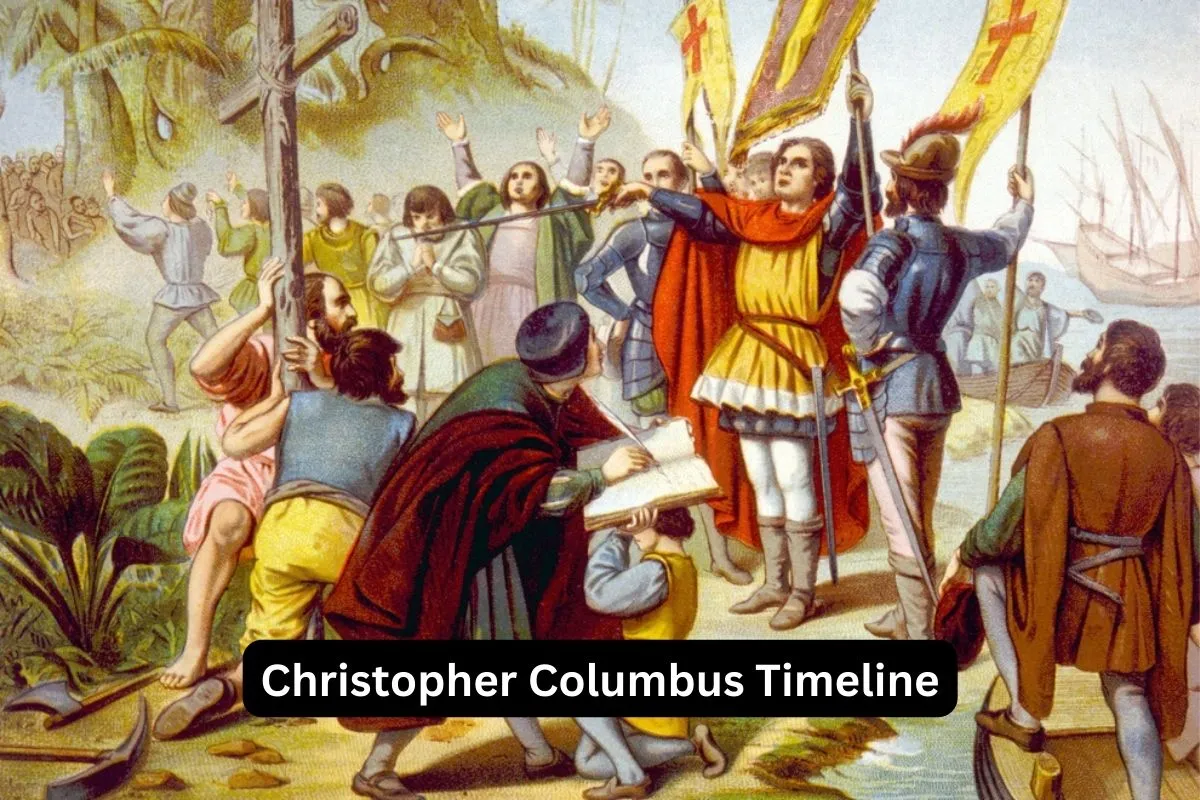 Photo: Christopher Columbus, via www.havefunwithhistory.com
The story feels neat and complete: European explorer ventures into unknown waters, finds a new continent, and changes world history forever. It's a tale of courage, navigation skills, and historic achievement.
There's just one problem. By the time Columbus arrived, America had been discovered, mapped, named, and inhabited for thousands of years.
The Vikings Beat Him by 500 Years
Around 1000 AD — nearly five centuries before Columbus was born — Norse explorer Leif Erikson established a settlement in what's now Newfoundland, Canada. This wasn't a brief landing or accidental discovery. The Vikings built structures, spent winters there, and created detailed accounts of their journeys.
 Photo: Leif Erikson, via historiablog.org
Archaeological evidence at L'Anse aux Meadows confirms the Norse presence. Researchers have found building foundations, iron tools, and other artifacts that prove sustained European contact with North America long before Columbus ever set sail.
 Photo: L'Anse aux Meadows, via c8.alamy.com
The Vikings didn't just stumble onto the continent either. They had detailed knowledge of Atlantic currents, seasonal weather patterns, and navigation techniques that allowed them to make multiple trips between Greenland and North America.
Indigenous Peoples Had Been Mapping for Millennia
Of course, the Vikings weren't the first people to "discover" America either. Indigenous peoples had been living on, exploring, and mapping the continent for thousands of years before any European arrived.
Native American tribes created sophisticated maps, established extensive trade networks, and developed detailed geographical knowledge that spanned the entire continent. When European explorers finally began serious inland exploration, they relied heavily on indigenous guides and existing native maps.
The idea that Columbus "discovered" a continent already home to millions of people requires ignoring the existence and knowledge of entire civilizations.
Why Columbus Gets the Credit
So why does Columbus get remembered as the discoverer when he was demonstrably not the first European to reach America, and certainly not the first human being to know the continent existed?
The answer has nothing to do with historical accuracy and everything to do with consequences. Columbus's voyages led to sustained European colonization, massive cultural exchange, and permanent connections between the Old and New Worlds. The Viking settlements, while historically significant, didn't create lasting links between Europe and America.
Columbus also had better marketing. His voyages were extensively documented, widely publicized, and backed by major European powers. The Norse expeditions, while real, were recorded mainly in oral traditions and sagas that didn't reach mainstream European consciousness until centuries later.
The Textbook Problem
American history textbooks latched onto the Columbus narrative because it provided a clean starting point for European-American history. It's much simpler to begin the story in 1492 than to explain the complex reality of prior exploration, existing civilizations, and gradual European awareness of the Americas.
The Columbus story also fit perfectly with 19th and early 20th-century ideas about progress, exploration, and manifest destiny. It suggested that European exploration was inevitable and beneficial — a more comfortable narrative than acknowledging that colonization displaced existing peoples and cultures.
Textbook publishers, teachers, and curriculum designers found it easier to teach a simplified version that avoided uncomfortable questions about indigenous peoples, prior exploration, and the violence that followed Columbus's arrival.
What Discovery Actually Means
The Columbus myth reveals how the word "discovery" gets used selectively. In the context of American history, discovery apparently means "the first time Europeans established permanent contact that led to colonization and exploitation."
By this definition, the Norse expeditions don't count because they didn't lead to sustained European presence. Indigenous knowledge doesn't count because it wasn't European knowledge. Earlier European contacts don't count if they weren't properly documented or didn't have major historical consequences.
This version of discovery has nothing to do with being first and everything to do with whose perspective gets to define historical importance.
The Real Legacy
Columbus's actual achievement wasn't discovering America — it was establishing permanent connections between Europe and the Americas that fundamentally changed both continents. This is historically significant without requiring the fiction that he was first.
Recognizing the real story doesn't diminish the importance of 1492. It just places that date in proper context as one moment in a much longer history of exploration, contact, and cultural exchange.
The myth persists because it's easier to teach and more comfortable to believe than the messier reality of overlapping discoveries, prior civilizations, and selective historical memory.
The Takeaway
Columbus didn't discover America because America had already been discovered, mapped, and inhabited for thousands of years. The reason we credit him anyway reveals more about how history gets written than about what actually happened.
Every time you hear about someone "discovering" something that already existed, ask yourself: discovered by whom, according to whom, and who benefits from that version of the story?