Turkey Didn't Make It to the First Thanksgiving — So How Did It End Up on Every American Table?
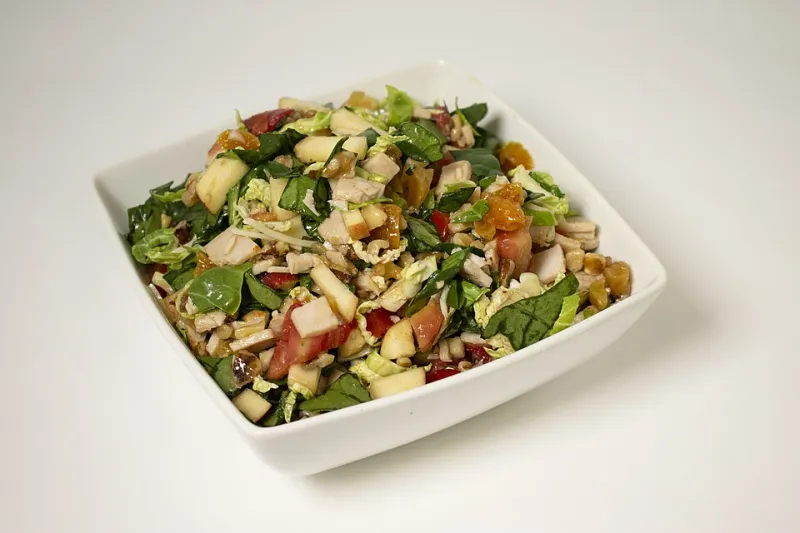
Photo: Alabama Extension, CC0, via Wikimedia Commons
Turkey Didn't Make It to the First Thanksgiving — So How Did It End Up on Every American Table?
Ask any American child what the Pilgrims ate at the first Thanksgiving and you'll get the same answer: turkey. It's on the decorations, the school pageants, the grocery store circulars, and the holiday table itself. It feels like one of the most settled facts in American history.
It's not.
The story of how turkey became the centerpiece of Thanksgiving is less about colonial tradition and more about a 19th-century political calculation, a persistent magazine editor, and an industry that knew exactly how to leverage a national holiday. The bird on your table has a complicated résumé.
What We Actually Know About 1621
The event most Americans think of as "the first Thanksgiving" was a three-day harvest celebration held in Plymouth Colony in the fall of 1621. We know about it primarily through a single account written by colonist Edward Winslow, who described the Pilgrims and members of the Wampanoag Nation sharing a meal together.
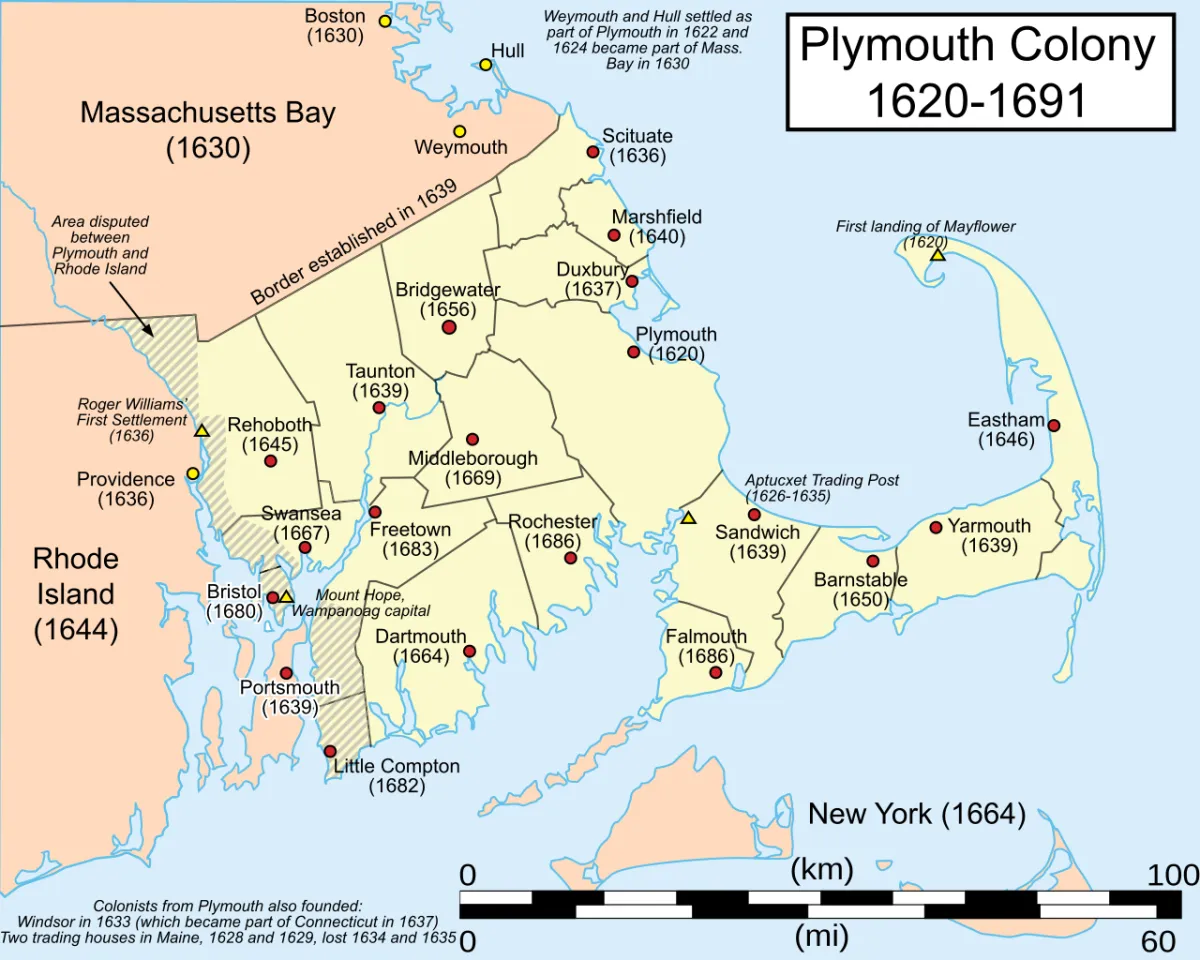 Photo: Plymouth Colony, via upload.wikimedia.org
Winslow mentioned that the colonists had "fowl" — which could mean ducks, geese, or any number of birds common to coastal Massachusetts. He also noted that the Wampanoag brought five deer. Venison, it seems, was actually the more documented centerpiece of the meal.
There is no confirmed mention of turkey in Winslow's account. Historians have noted that wild turkeys did exist in the region, so turkey can't be ruled out — but it certainly can't be confirmed as the star of the show. The image of a roasted turkey as the defining symbol of that 1621 gathering is, at best, an educated guess that got promoted to historical fact somewhere along the way.
The Holiday Wasn't Even a Holiday for Most of American History
Here's the part that surprises most people: for the first two centuries of American life, there was no consistent national Thanksgiving holiday. Various presidents declared one-off days of thanks — Washington did it in 1789, for instance — but there was no fixed annual tradition. Individual states held their own versions on different dates, or not at all.
The push for a national, standardized Thanksgiving came largely from one unlikely source: a magazine editor named Sarah Josepha Hale. Best known today for writing "Mary Had a Little Lamb," Hale spent 17 years lobbying presidents and governors to establish a unified national holiday. She wrote letters, published editorials, and made the case persistently throughout the mid-1800s.
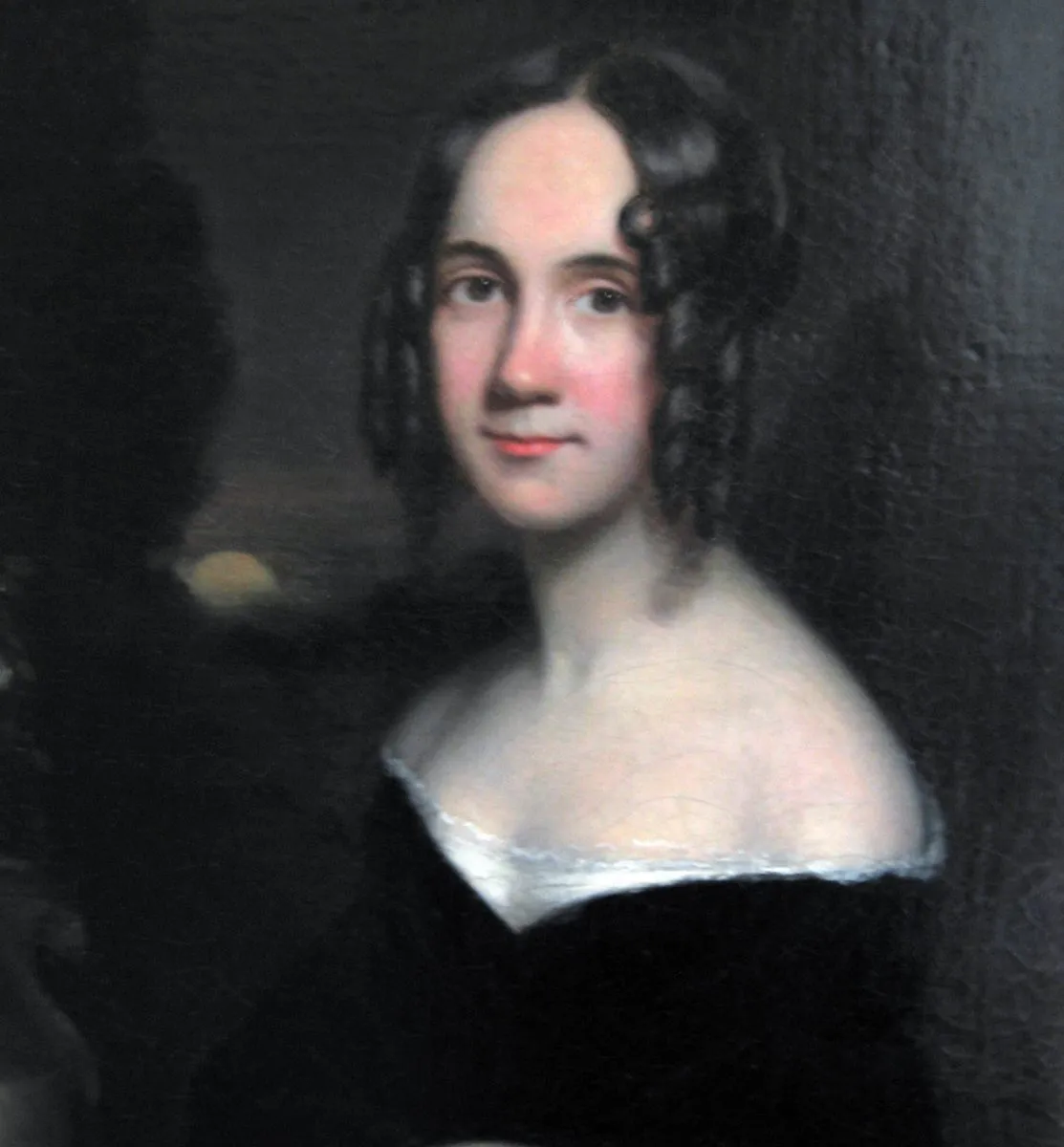 Photo: Sarah Josepha Hale, via img.jagranjosh.com
It worked — eventually. In 1863, in the middle of the Civil War, Abraham Lincoln declared the last Thursday of November a national day of Thanksgiving. His motivations were explicitly political. The Union needed a unifying gesture, a reminder of shared national identity at a moment when the country was tearing itself apart. A federal holiday rooted in a story of colonial harmony — however simplified — served that purpose well.
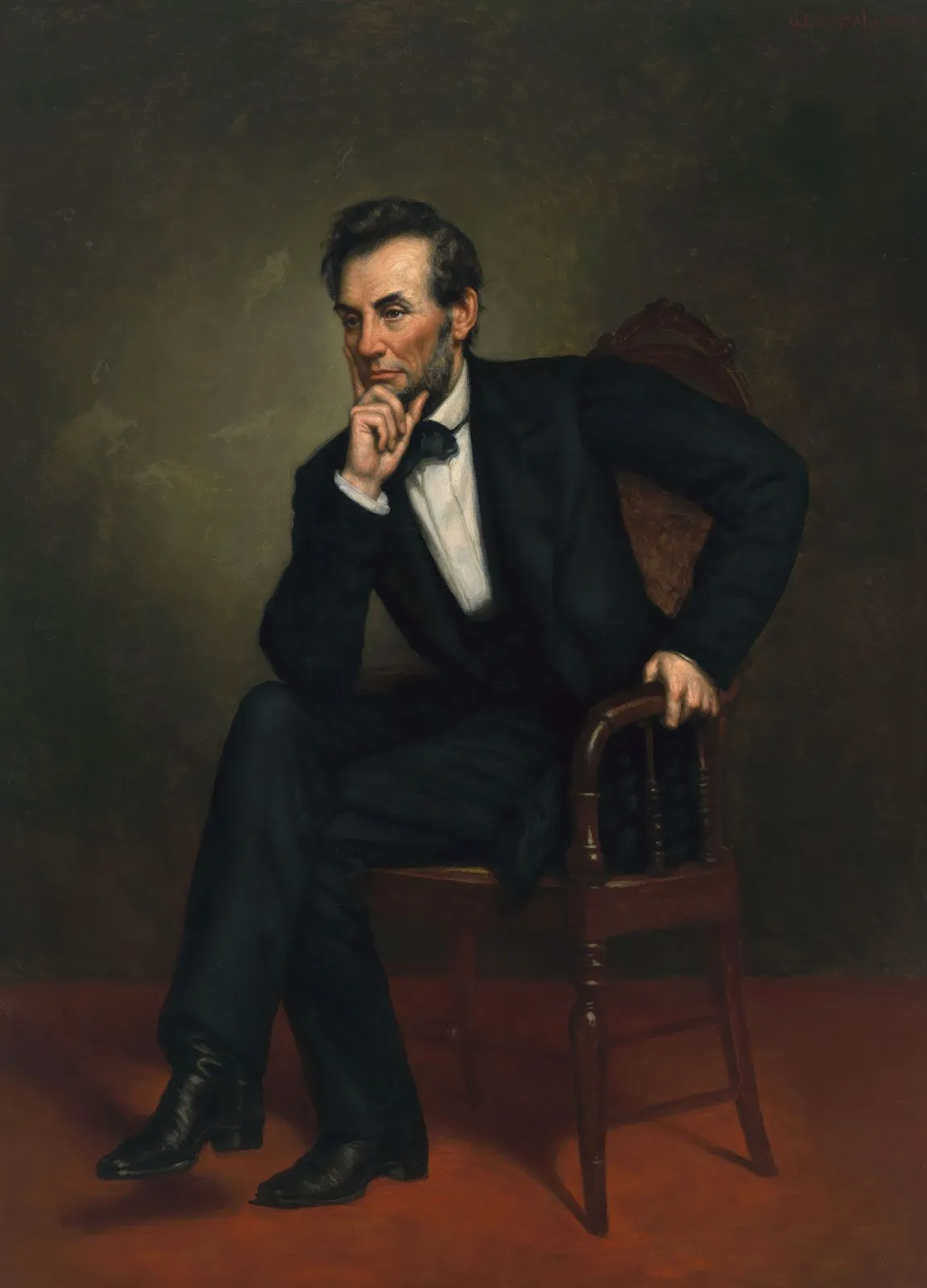 Photo: Abraham Lincoln, via cdn.britannica.com
The holiday as Americans now practice it is, in a meaningful sense, a Civil War invention.
So When Did Turkey Take Over?
By the time Lincoln standardized the holiday, turkey was already becoming associated with the occasion — but the connection was more practical than historical. Turkeys had some real advantages over other farm animals as a celebratory food source.
Unlike cows or chickens, turkeys didn't serve a dual economic purpose. A cow gave you milk; a chicken gave you eggs. A turkey's primary value was as meat, which made it more logical to slaughter for a feast. Turkeys were also large enough to feed a family in a single meal, and by late November, they were typically at their heaviest after a summer of foraging.
But practical logic alone doesn't explain how turkey became the Thanksgiving food — mandatory, symbolic, and virtually non-negotiable. That part took some help.
The Industry That Locked It In
Through the 20th century, the American turkey industry made deliberate and sustained efforts to cement the bird's association with Thanksgiving. Turkey producers lobbied for the holiday's promotion, worked with retailers on seasonal marketing, and pushed for recipes and editorial content that treated turkey not just as an option but as the only acceptable choice.
The timing aligned with broader changes in American food culture. As refrigeration and mass agriculture made large birds more accessible and affordable to middle-class families, the turkey dinner shifted from a luxury to an expectation. By mid-century, not serving turkey on Thanksgiving felt like a breach of tradition — even though the tradition itself was barely a hundred years old and built on a shaky historical foundation.
Advertising did the rest. Decades of Thanksgiving imagery — Norman Rockwell paintings, magazine spreads, TV commercials — reinforced the turkey as the visual anchor of the holiday. The bird became inseparable from the occasion in the American imagination.
Why the Pilgrim Story Persists
The 1621 harvest story is genuinely part of American history, and the relationship between the Plymouth colonists and the Wampanoag Nation was real — though far more complicated and ultimately more tragic than the friendly feast narrative suggests. But the specific image of Pilgrims and Native Americans sharing a turkey dinner is a compressed, idealized version of events that got frozen in time by school curricula and holiday marketing.
It persists because it's simple, visual, and emotionally satisfying. Origin stories tend to survive when they're easy to picture and comforting to believe. The messier truth — that the holiday was standardized for political reasons, that the bird was chosen for economic ones, and that the whole tradition is younger than most Americans assume — doesn't fit on a Thanksgiving card.
The Takeaway
There's nothing wrong with eating turkey on Thanksgiving. It's delicious, it feeds a crowd, and shared rituals have value even when their origins are murkier than the mythology suggests. But the next time someone insists the turkey tradition goes back to the Pilgrims, you can gently point out that what Lincoln, Sarah Josepha Hale, and a century of turkey industry marketing actually built might be the most successful food branding campaign in American history.